
Press Releases · 10. June 2026
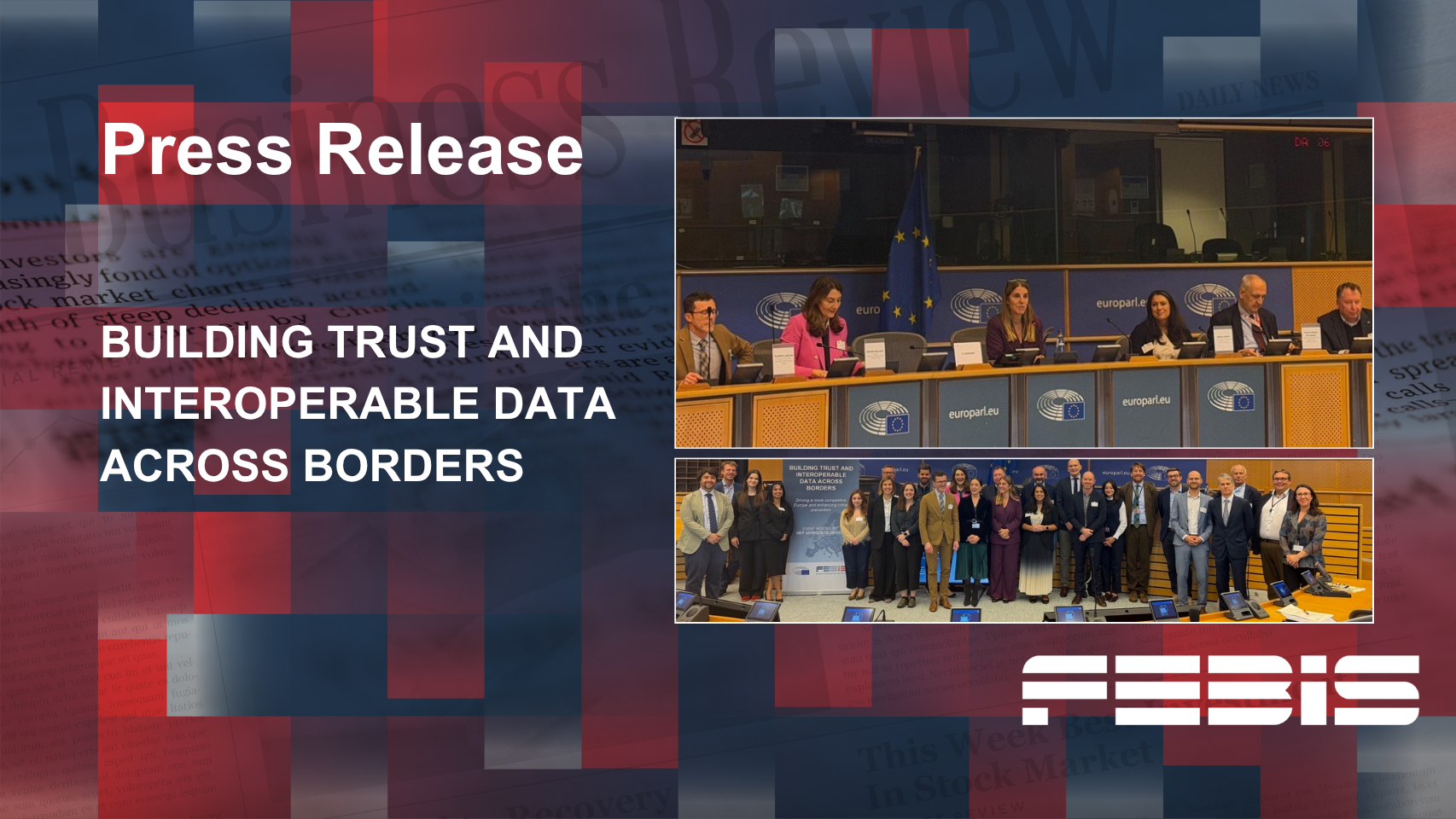
Yesterday FEBIS, in collaboration with MEP Giorgos Georgiou, gathered policymakers, industry leaders, business information providers and data experts at the European Parliament to discuss the role of the European Business Wallets (EBWs) and the future of trustful business data in strengthening Europe's competitiveness and enabling a more resilient Single Market.

Economy · 27. May 2026
Tighter access to finance, uncertainty, and geopolitical turmoil shift focus from growth to cash flow protection.
EU Newsletter · 21. May 2026
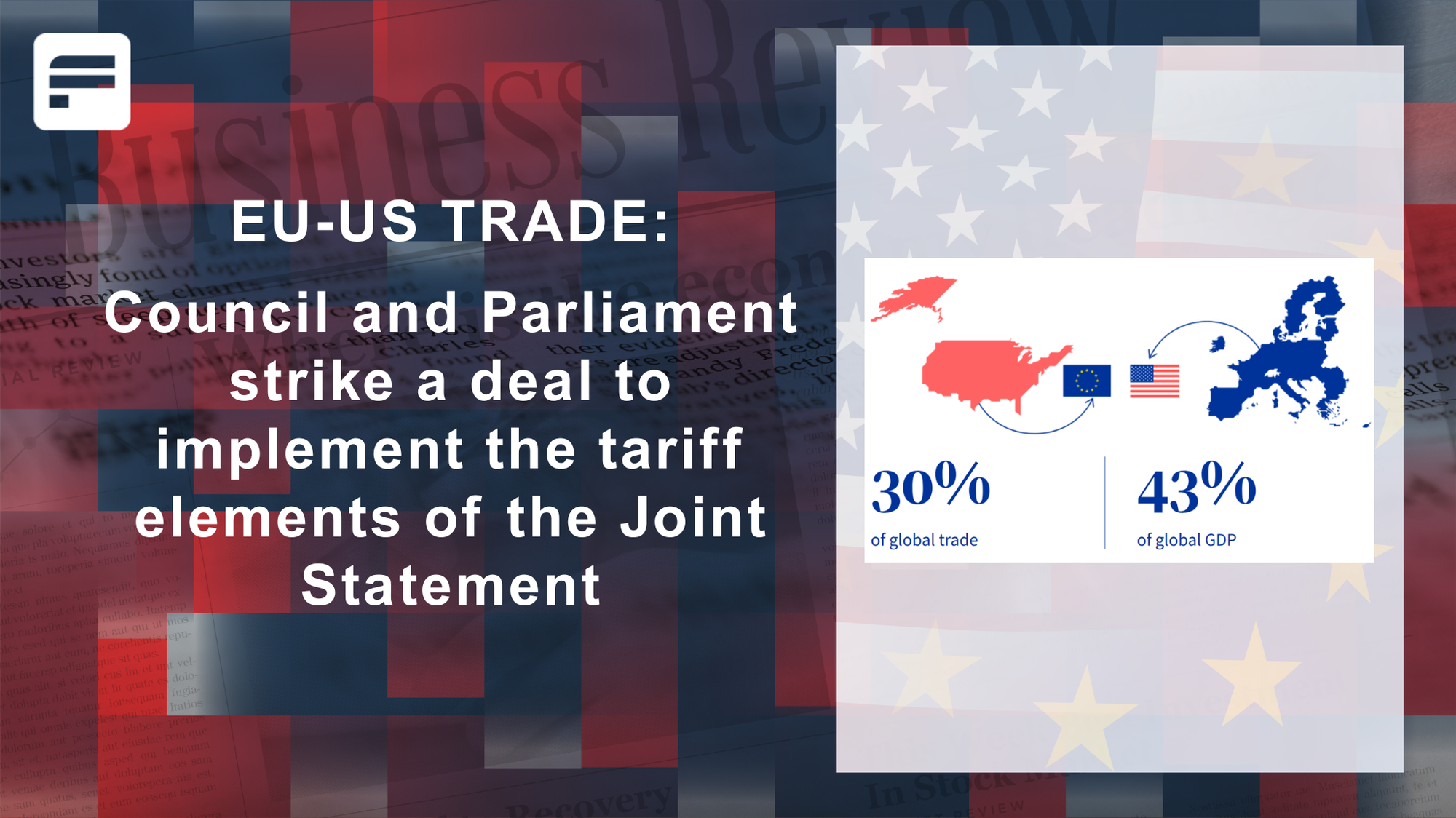
The agreement marks an important step in delivering on the commitments undertaken in the EU-US Joint Statement. It aims at enhancing a stable and predictable transatlantic trade relationship, while ensuring robust safeguards and preserving flexibility to be able to protect the EU’s economic interests, if needed.

Economy · 08. April 2026
Q1 2026 data reveals a complex yet resilient Irish economy. Despite global geopolitical and economic pressures, domestic business activity shows a defiant 14% year-on-year increase in new company registrations.

Economy · 19. February 2026
In the fourth quarter of 2025 (Q4 2025), the Average payment Delay in Europe reached 12.28 days, representing a decrease of 0.43 days compared with Q3 2025.
Economy · 29. January 2026
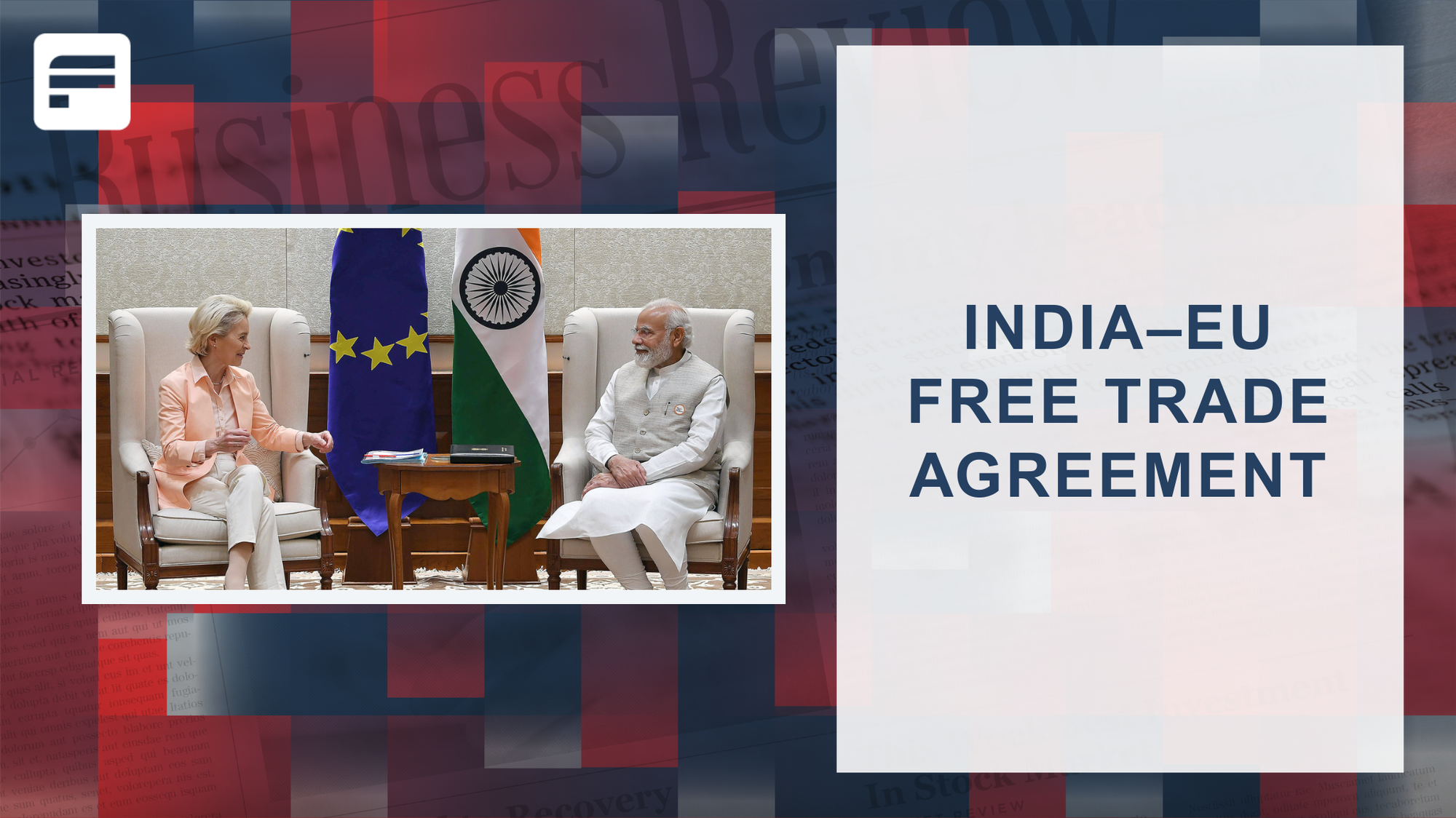
Beyond tariffs, the real shift lies in clearer rules of origin, smoother customs processes, and greater regulatory coordination.
Insolvencies · 22. December 2025
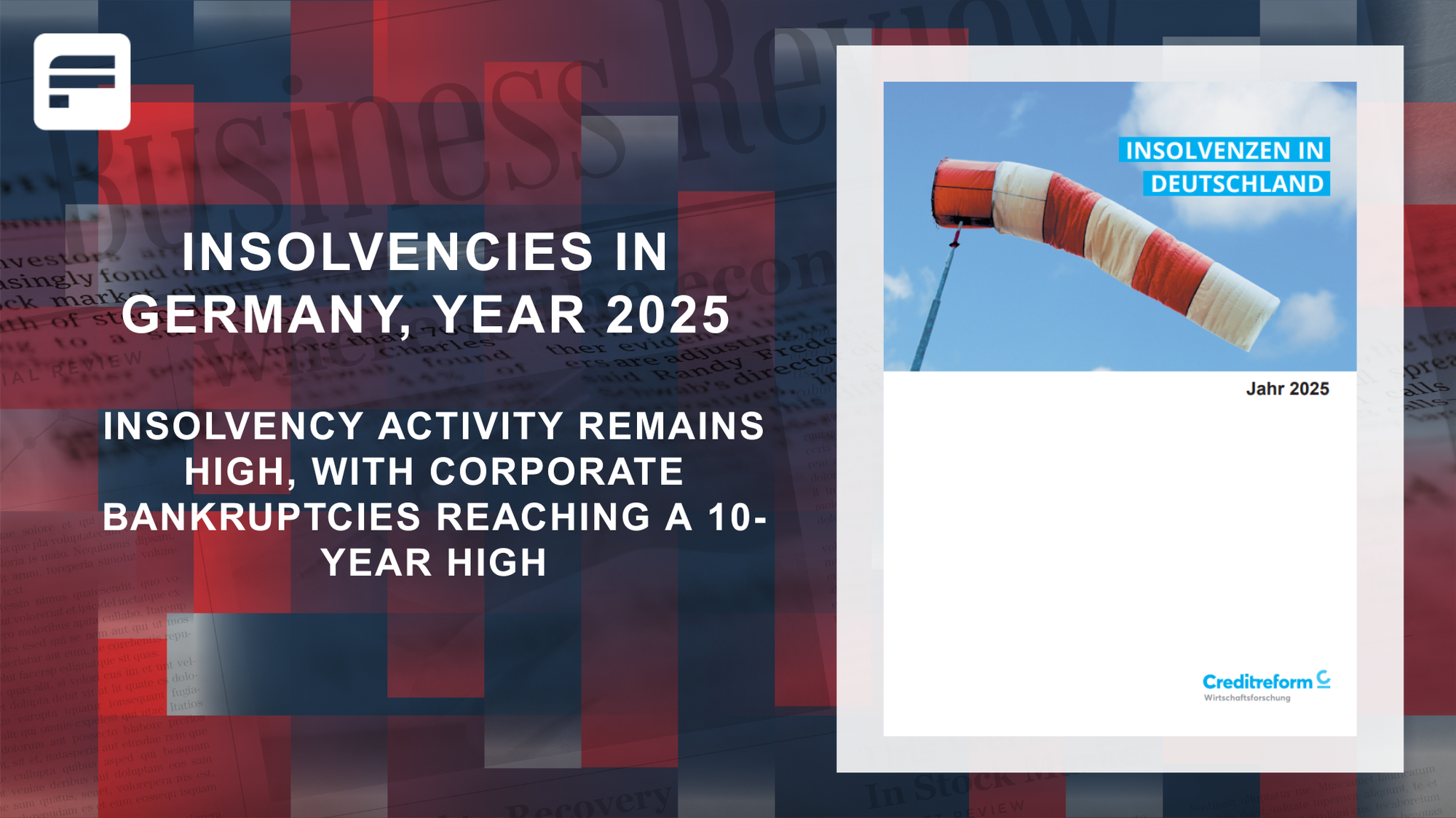
The economic turmoil continues to hit businesses hard. Insolvency activity remains high, with corporate bankruptcies reaching a 10-year high of 23,900 cases. Similar to the increasing consumer debt, the number of personal bankruptcies is also rising significantly.

EU Newsletter · 24. November 2025
The European Commission presented on Wednesday (November 19th, 2025) a package meant to simplify EU digital laws, namely rules related to personal and non-personal data, the AI Act's provisions and cybersecurity reporting requirements.

Members News · 29. October 2025
VNBIS is a trusted business intelligence, financial analysis, and risk assessment provider specializing in Vietnam and Southeast Asia.

Insolvencies · 24. October 2025
Global insolvencies are projected to increase by 5% in 2025 before declining by 3% in 2026, marking an upward revision from the April 2025 Outlook.