

Economy · 19. December 2025
The Annual Report is the Observatory’s main analytical output, providing a comprehensive overview of key trends and developments in payment performance related to commercial transactions in 2024.

EU Newsletter · 24. November 2025
The European Commission presented on Wednesday (November 19th, 2025) a package meant to simplify EU digital laws, namely rules related to personal and non-personal data, the AI Act's provisions and cybersecurity reporting requirements.

EU Newsletter · 07. November 2025
The EU’s landmark data-protection law is set to be amended with targeted updates as part of its digital simplification drive.

EU Newsletter · 06. November 2025
The European Commission is close to presenting an amendment to the GDPR that would codify “legitimate interest” as the legal basis for training AI systems with personal data.

EU Newsletter · 30. October 2025
The paper urges the European Commission to adopt a two-stage approach: first, to make targeted adjustments through the Digital Omnibus initiative in the short term, and later to launch a broader discussion on a potential data protection reform.
EU Newsletter · 23. October 2025
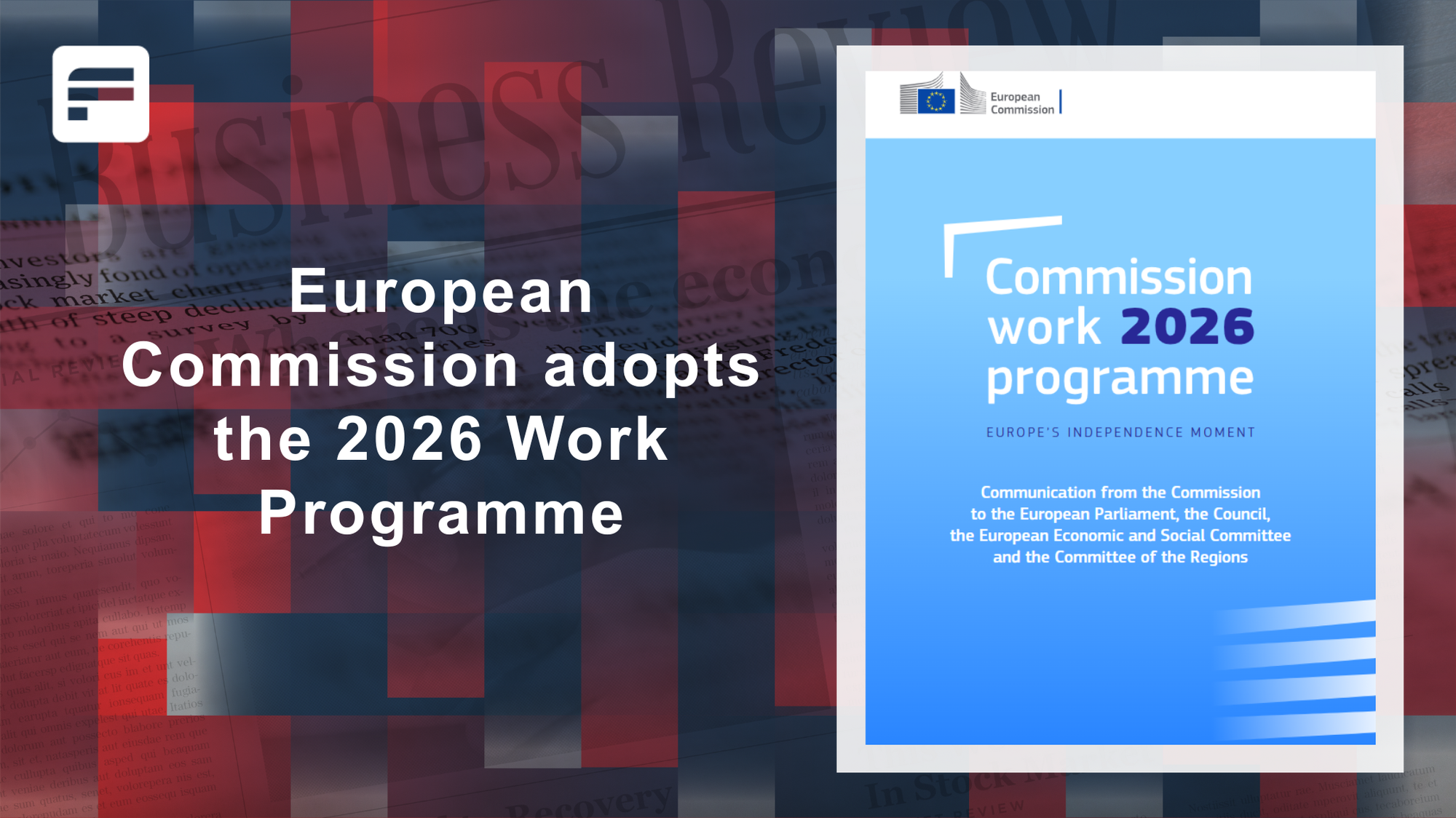
The 2026 Work Programme, titled “Europe’s Moment of Independence”, strengthens the Commission’s core priorities by boosting competitiveness, promoting clean and digital innovation, consolidating the European social model, and ensuring collective security.
EU Newsletter · 16. October 2025
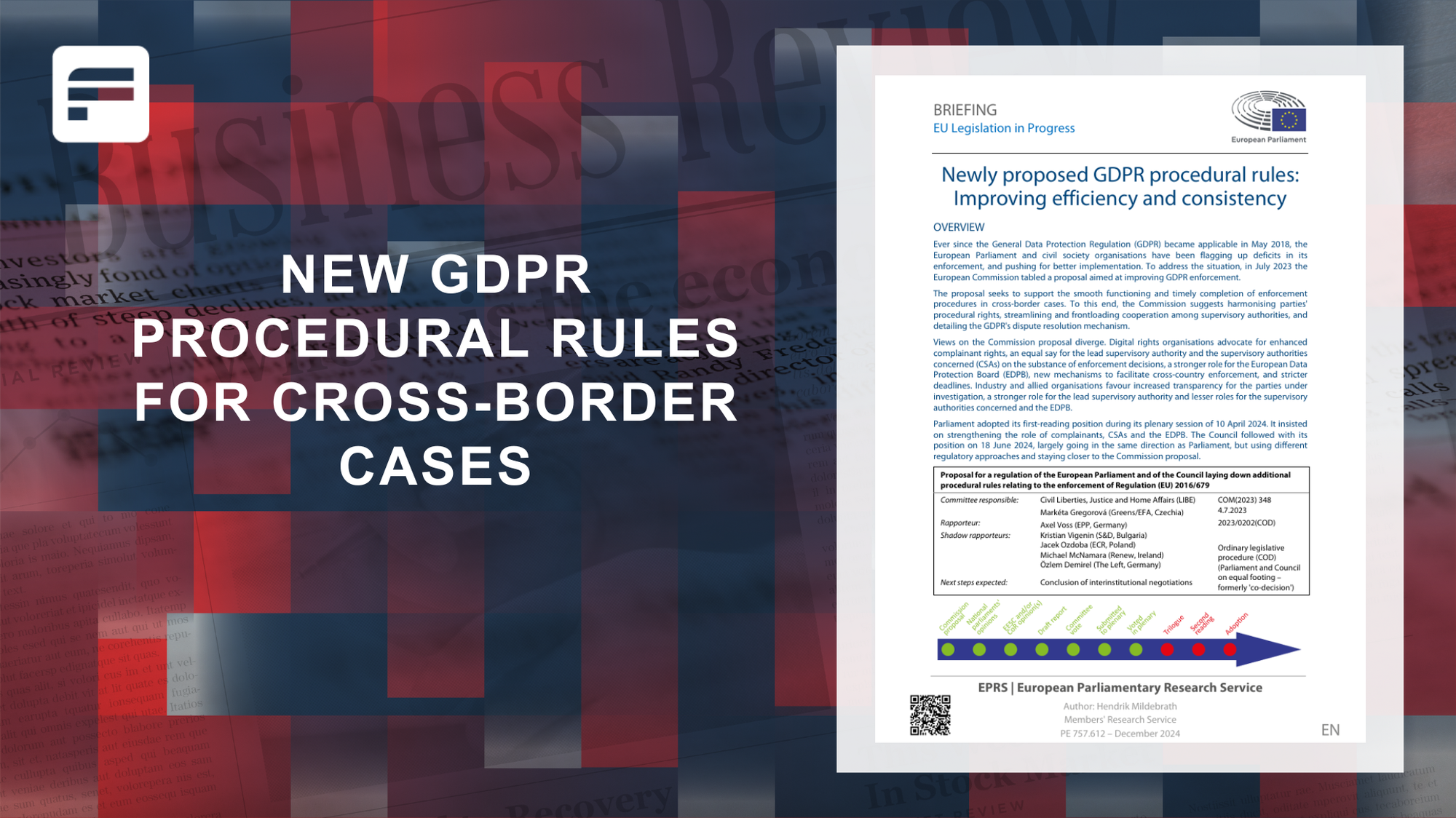
Recent assessments have highlighted shortcomings in the enforcement of the European Union's General Data Protection Regulation (GDPR). These include lengthy procedures, divergent practices, and functional flaws.

EU Newsletter · 24. July 2025
The extension of the EU-UK adequacy decision to allow the free flow of personal data between the European Economic Area and the UK has received the green light from the European Commission.
EU Newsletter · 29. January 2025
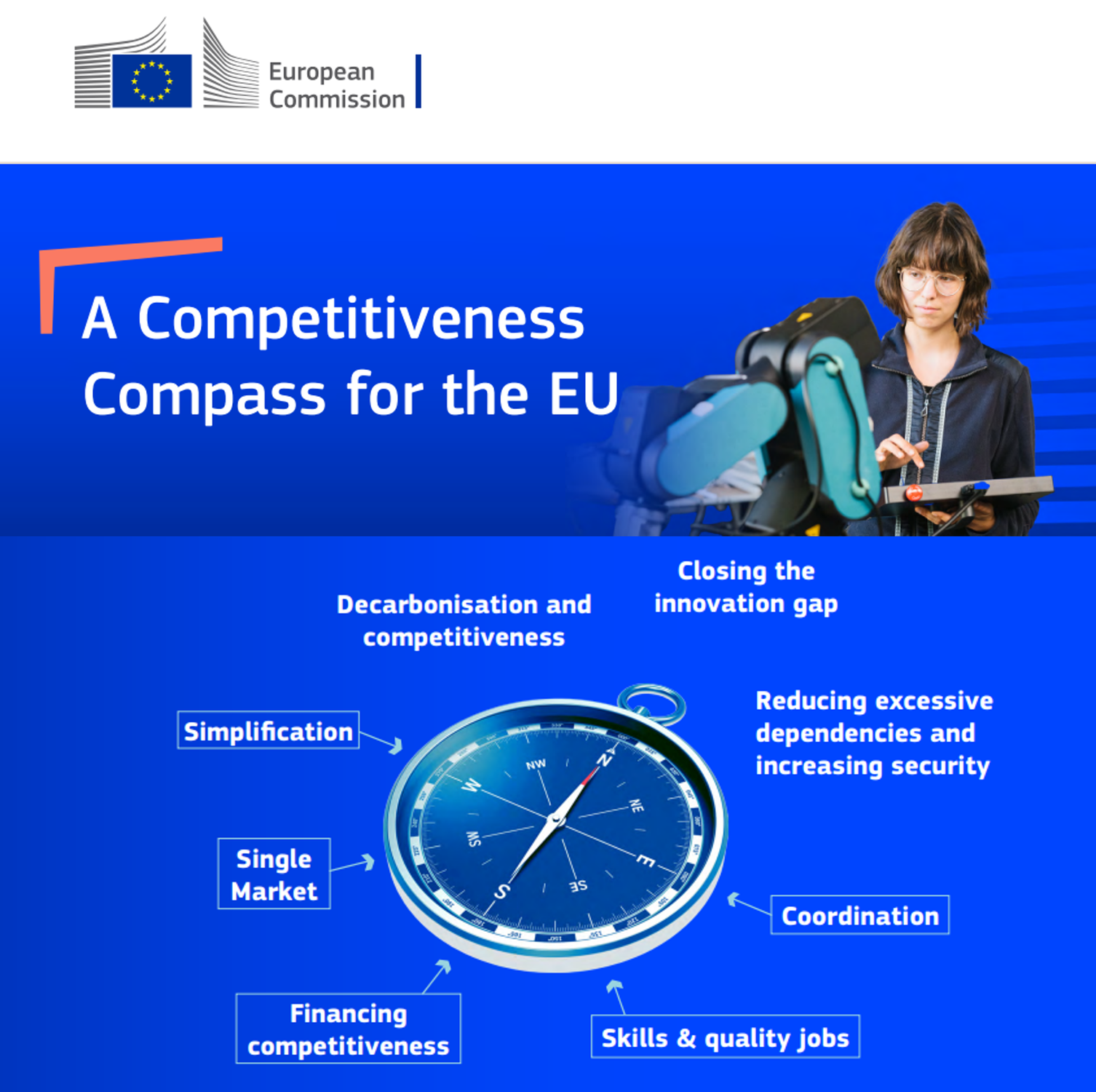
EU officially launched its Competitiveness Compass, which establishes competitiveness as one of the EU’s overarching principles for action. Europe can only match its continent-sized competitors if EU and national policies are aligned around the same objectives and reinforce each other.
EU Newsletter · 29. November 2024
The digital identity will have to provide an efficient system of data security and ensure that trust service providers of qualified attestations of attributes cannot receive and information about use of attributes.